Choose the UV printer that fits the work, not the brochure.
Acrylic signs, awards, drinkware, cornhole boards, roll media and packaging samples do not need the same machine. This page helps you compare platform, economics and competitor tradeoffs.
Platform comparison inside our catalog.
Start with the product category. Bed size, head count and automation matter only after you know what you want to sell.
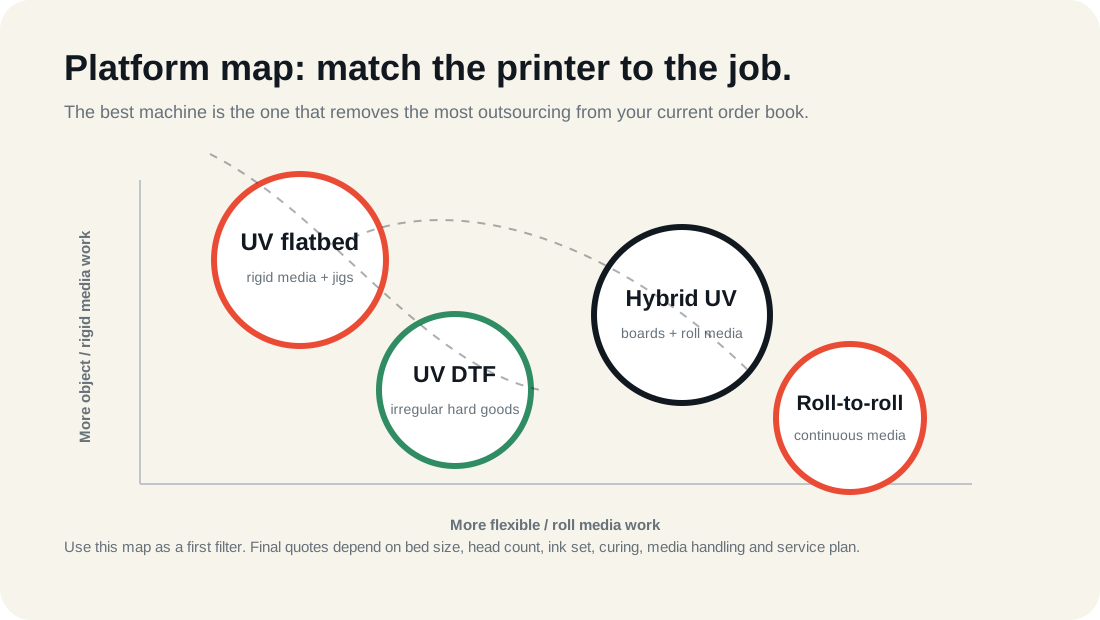
| Platform | Best work | Why it wins | Watch-outs | Good first buyer |
|---|---|---|---|---|
| UV flatbed | Acrylic, wood, glass, metal, signs, awards, panels | Direct-to-substrate printing, white ink, varnish, jigs for repeat products | Bed size limits roll media; heavy boards need handling space | Sign shops, trophy shops, personalization shops |
| UV DTF | Drinkware wraps, irregular hard goods, labels, small gifts | Flexible transfer workflow for objects that are hard to fixture on a flatbed | Film/adhesive cost must be included; not every surface behaves the same | Promo shops, Etsy sellers, small-batch merchandise teams |
| Hybrid UV | Boards plus roll media, banners, wall graphics, rigid signage | One machine class covers both rigid and flexible work | Requires more floor space and operator discipline | Growing sign shops that dislike owning separate machines |
| Roll-to-roll | Posters, backlit film, vinyl, wallpaper, decals, banners | Fast continuous production and efficient material handling | Not for thick rigid products without transfer/finishing steps | Wide-format shops with steady roll volume |
Factory-direct Epson-head vs. premium-brand UV.
Mimaki and other premium platforms are excellent when the budget, dealer relationship and workload justify them. Epson.Press exists for buyers who want a lower-risk entry into UV production.
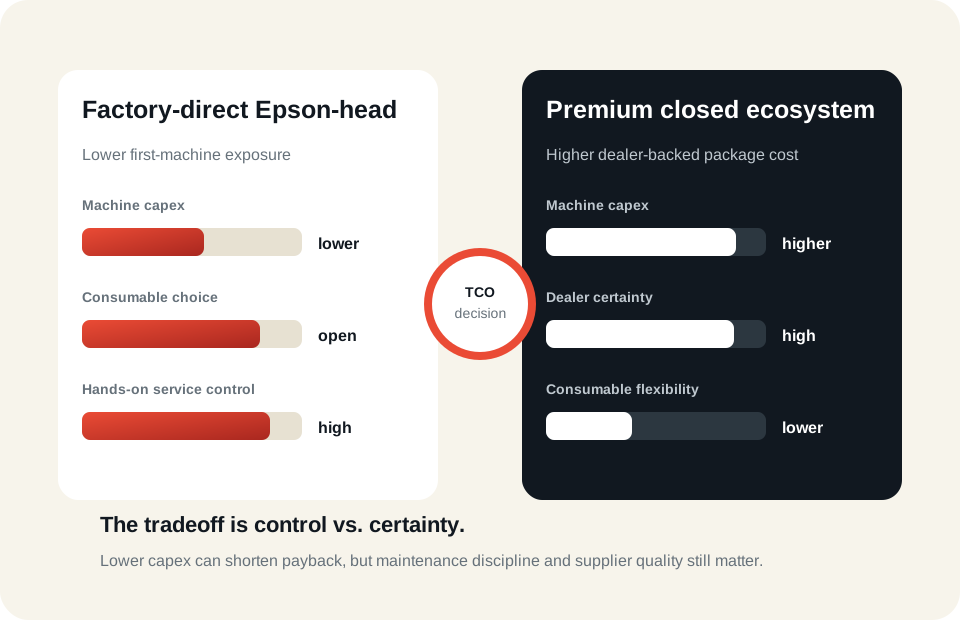
Premium UV systems can start above many small shops' comfort zone. Factory-direct Epson-head systems often let the same shop enter UV at a much lower first-machine cost.
Open platforms let owners compare UV ink, film, dampers, capping stations and routine parts. That can lower operating cost, but the shop must maintain quality discipline.
Premium dealers reduce uncertainty. Open systems reward owners who want documented maintenance, spare parts on hand and a more hands-on production culture.
Where the economics change.
The comparison is usually won or lost in the first 12 months: machine cost, ink/film cost, paid ad cost, reprint waste and printhead replacement risk.
Decision guide.
Use this as the first filter before asking for a quote.
If most jobs are rigid and flat
Start with UV flatbed. It gives the broadest mix of signs, awards, plaques, acrylic, wood, packaging prototypes and personalization work.
If products are curved or awkward
Start with UV DTF or cylinder UV. You avoid slow custom fixtures and can sell wraps, tumblers, bottles, golf balls and small hard goods.
If you already sell signs and rolls
Compare hybrid UV with a separate roll printer plus flatbed. Floor space, operator time and material handling will decide the winner.
If you want premium dealer certainty
Mimaki may be the right answer. If you want lower capex and more control over consumables, compare our Epson-head machines first.